How to Grow Cantaloupe
Zones 4a–11a · Intermediate · 70–100 days
Container-friendlyBalcony/patioCantaloupe (muskmelon) is a sweet, fragrant summer melon that needs real heat and full sun to develop its sugar. Slip off the vine when ripe.
Light
Water
Soil
Days to harvest
Start indoors
When to plant Cantaloupes
Your exact dates depend on your last frost date. Enter your location to get your personalized planting calendar.
In general: start seeds indoors 4 weeks before your last frost, and expect harvest ~70–100 days later. See zone 4a →
Growing guide
Overview
Cantaloupe, also called muskmelon, is a warm-season vining fruit that produces sweet, fragrant, netted melons in summer. Gardeners love it because a homegrown cantaloupe ripens on the vine and tastes far sweeter than store-bought. It needs full sun, consistent moisture, and plenty of heat to thrive.
Soil & planting prep
Cantaloupe grows best in loose, well-drained loamy or sandy soil with a pH between 6.0 and 6.8. Amend heavy clay with compost to improve drainage, and form raised mounds or hills to warm the soil. Space plants 18–24 inches apart in rows 4–6 feet apart, or plant in hills 4–6 feet apart with 2–3 plants per hill.
When to plant
Cantaloupe is not frost-tolerant, so wait until all danger of frost has passed and the soil has warmed to at least 60°F (ideally 70°F). Start seeds indoors 4 weeks before your last frost date, or direct sow in the garden 1–2 weeks after the last frost when nights stay above 50°F. In short-season areas, use black plastic mulch or row covers to warm the soil and extend the growing season.
How to plant
- Choose a spot in full sun with well-drained soil that has been amended with compost.
- If starting indoors, sow seeds ½ inch deep in individual pots 4 weeks before the last frost date.
- Harden off seedlings for 7–10 days before transplanting, then set them out 1–2 weeks after the last frost when soil is warm.
- Plant seedlings or direct-sow seeds 1 inch deep, spacing plants 18–24 inches apart in rows 4–6 feet apart, or in hills 4–6 feet apart.
- Water gently after planting and keep the soil evenly moist until vines establish.
5 common mistakes to avoid
- Planting too early in cold soil: cantaloupe seeds and seedlings rot or stall below 60°F, so wait until the soil is reliably warm and nights stay above 50°F.
- Overwatering or uneven watering: soggy soil causes root rot and poor flavor, while drought stress during fruit development leads to small, bland melons—aim for about 1–2 inches of water per week, including rain.
- Skipping pollination: cantaloupe flowers need bees to set fruit, so avoid spraying insecticides during bloom and plant flowers nearby to attract pollinators; without pollination, fruits are misshapen or drop.
- Crowding plants: tight spacing reduces airflow and increases disease; keep 18–24 inches between plants and control weeds early.
- Harvesting too early or too late: cantaloupe does not ripen off the vine, so pick only when the stem slips easily, and don’t leave overripe fruit to attract pests.
Harvesting & storage
Cantaloupe is ready when the rind turns from green to tan or orange, the netting becomes prominent, and the fruit slips easily from the vine with light pressure. Cut or gently twist the stem, then store at room temperature for 1–2 days to finish ripening, or refrigerate for up to 5 days. Once cut, cover and refrigerate.
Companion planting
Good companions for cantaloupe include corn, radishes, and marigolds, which can help deter pests. Avoid planting near cucumbers or other melons if you want to save seed, as they can cross-pollinate.
Growing in containers
Cantaloupe can be grown in containers, but it needs a large pot—at least 10 gallons—and a trellis or support for the vines. Use a well-draining potting mix and water consistently, as container soil dries out faster than garden soil.
Pro tips
Start indoors 3-4 weeks before last frost or direct sow after frost in warm soil. Thin to 18-24 inches. Harvest when the melon slips easily from the vine with light pressure.
Grow Cantaloupes this season
Get cantaloupe seeds and supplies matched to your climate.
Shop cantaloupe seeds →We may earn a commission when you buy through links on our site. Full disclosure.
Frequently asked questions
How long do Cantaloupes take to grow?
Cantaloupes take about 70–100 days, plus 4 weeks to start seeds indoors.
What zone does Cantaloupe grow in?
Cantaloupes grow in USDA Hardiness Zones 4a–11a.
Can you grow Cantaloupe in a container?
Yes — Cantaloupes grow well in containers. A 10-gallon pot or larger is ideal.
Is Cantaloupe hard to grow?
Difficulty: Intermediate. Cantaloupe (muskmelon) is a sweet, fragrant summer melon that needs real heat and full sun to develop its sugar. Slip off the vine when ripe.
Is Cantaloupe safe for dogs and cats?
Cantaloupes are safe for both dogs and cats.
Grows well with
Companion plants that help cantaloupe — improving growth, repelling pests, or attracting pollinators.
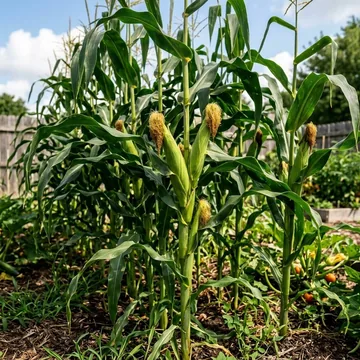
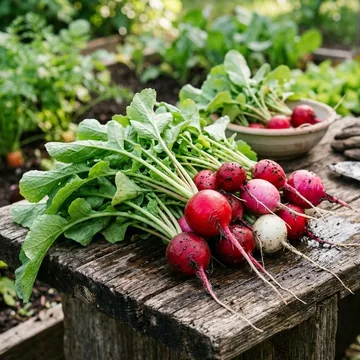
Keep away from: Potato.
More plants to grow
Popular guides readers also check.
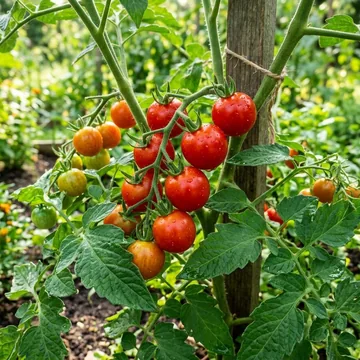
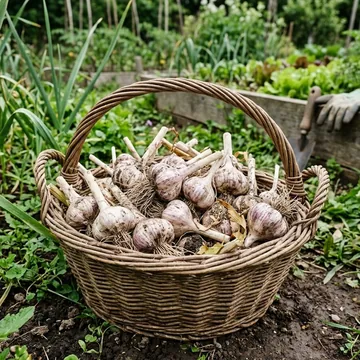

🌱 Get cantaloupe planting dates for your zone
Get your personalized "what to plant and when" calendar for your zone — plus tips when each crop is ready. Free, unsubscribe anytime.