Home › Plants › Brussels Sprouts
How to Grow Brussels Sprouts
Zones 3a–9a · Advanced · 90–180 days
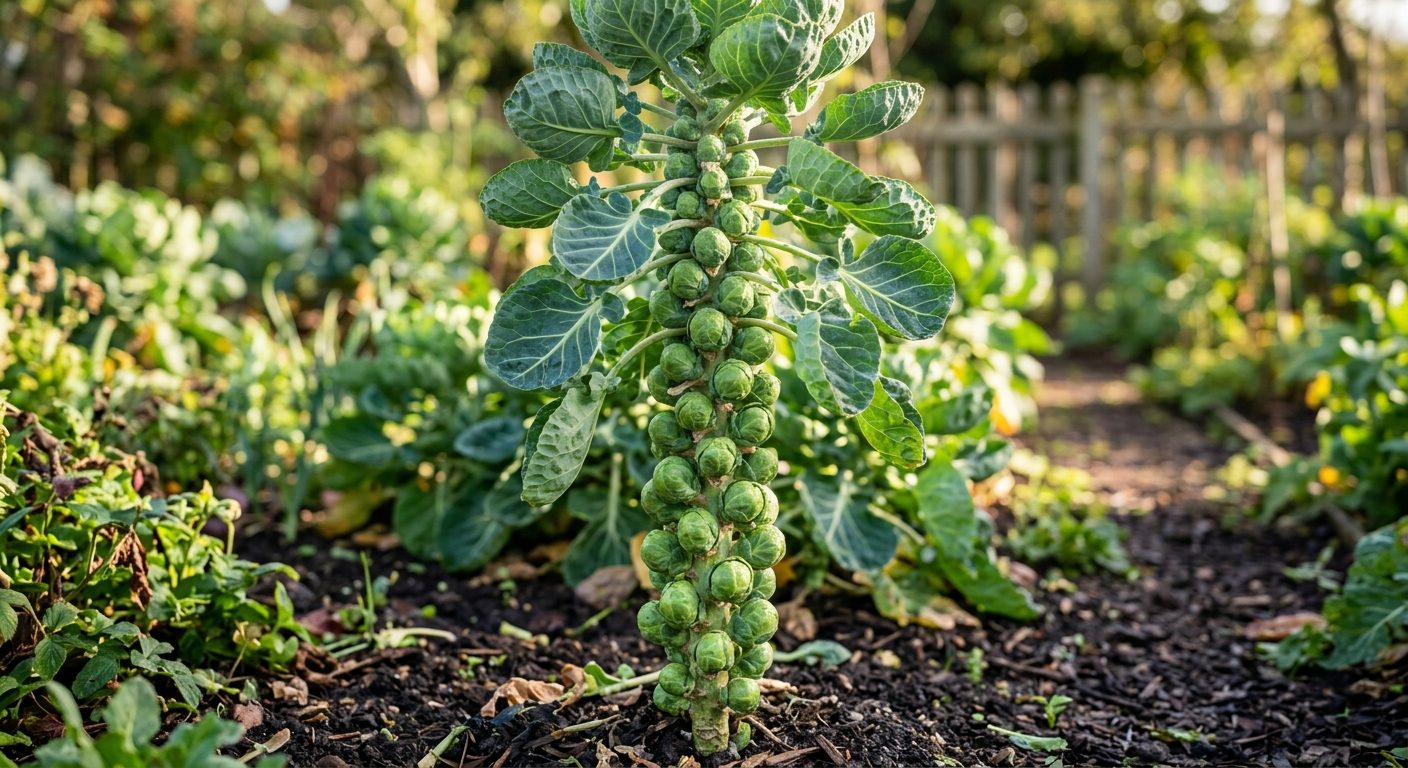
Brussels sprouts have a long season but reward patience — sprouts actually improve after a light frost.
Light
Water
Soil
Days to harvest
Start indoors
When to plant Brussels Sproutses
Your exact dates depend on your last frost date. Enter your location to get your personalized planting calendar.
In general: start seeds indoors 8 weeks before your last frost, and expect harvest ~90–180 days later. See zone 3a →
Growing guide
Overview
Brussels sprouts are a cold-hardy, long-season brassica grown for firm, edible buds along tall stalks. Growers love the sweet, nutty flavor that improves after a light frost. They need full sun, rich well-drained soil, even moisture, and 90–180 days to mature.
Soil & planting prep
Brussels sprouts grow best in rich, well-drained loam or clay loam with a pH near 6.0–6.8. Work 2–3 inches of compost into the bed before planting. Space transplants 18–24 inches apart in rows 24–36 inches apart, and plant them at the same depth they were in their pots, firming soil around the roots.
When to plant
Start seeds indoors 8 weeks before the average last spring frost date. Harden off and transplant 2–3 weeks before the last frost date, because Brussels sprouts tolerate frost. This early spring start gives slow-maturing plants the full 90–180 day season they need.
How to plant
- Start seeds indoors 8 weeks before the last frost date, sowing them 1/4 inch deep in trays and keeping the soil moist under bright light.
- Harden off seedlings over 7–10 days by gradually exposing them to outdoor conditions.
- Choose a full-sun bed and work 2–3 inches of compost into well-drained loam or clay loam.
- Transplant hardened-off seedlings 18–24 inches apart in rows 24–36 inches apart, setting each plant at the same depth as its container and firming soil around the roots.
- Water transplants in well, add mulch to keep the soil evenly moist, and insert stakes at planting time if the site is exposed to wind.
5 common mistakes to avoid
- Starting too late is the biggest Brussels sprouts failure: plants begin forming sprouts in hot weather, so the heads stay loose and bitter — start seeds indoors 8 weeks before the last frost date and set out transplants early.
- Letting the soil dry out during sprout fill causes small, loose, or bitter sprouts; keep the root zone evenly moist, especially once heads begin forming.
- Feeding too much high-nitrogen fertilizer pushes leafy growth instead of tight sprouts; rely on compost and a balanced fertilizer, and avoid heavy nitrogen once sprouts start to develop.
- Crowding plants produces small sprouts and invites disease; set transplants 18–24 inches apart in rows 24–36 inches apart.
- Skipping support leaves tall, top-heavy stalks leaning or uprooted in autumn winds; stake early if the site is exposed.
Harvesting & storage
Sprouts are ready when the lower heads are firm, green, and 1–2 inches wide, usually maturing from the bottom of the stalk upward. Twist or cut them off the stem. Store unwashed in a perforated bag in the refrigerator and use within about a week, or leave them on the stalk in cool weather and harvest as needed.
Companion planting
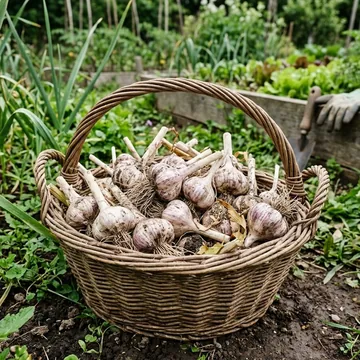
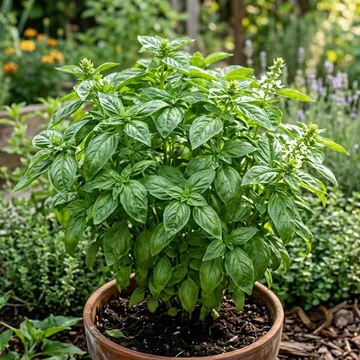
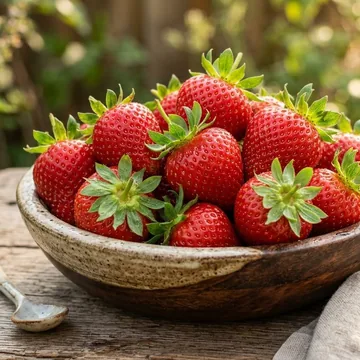
Good companions include onions, garlic, beets, and aromatic herbs. Avoid close planting with strawberries or pole beans.
Growing in containers
Brussels sprouts are not a good container crop; they grow tall, top-heavy, and need a long season with even moisture, so they perform best in the ground in full sun.
Pro tips
Start indoors 8 weeks before last frost. Plant in the sunniest spot. Needs a long season — start early. Frost improves flavour. Stake in exposed positions against autumn winds.
Grow Brussels Sproutses this season
Get brussels sprouts seeds and supplies matched to your climate.
Shop brussels sprouts seeds →We may earn a commission when you buy through links on our site. Full disclosure.
Frequently asked questions
How long do Brussels Sproutses take to grow?
Brussels Sproutses take about 90–180 days, plus 8 weeks to start seeds indoors.
What zone does Brussels Sprouts grow in?
Brussels Sproutses grow in USDA Hardiness Zones 3a–9a.
Can you grow Brussels Sprouts in a container?
Brussels Sproutses are usually grown in the ground or a large raised bed rather than a container.
Is Brussels Sprouts hard to grow?
Difficulty: Advanced. Brussels sprouts have a long season but reward patience — sprouts actually improve after a light frost.
Is Brussels Sprouts safe for dogs and cats?
Brussels Sproutses are safe for both dogs and cats.
Grows well with
Companion plants that help brussels sprouts — improving growth, repelling pests, or attracting pollinators.
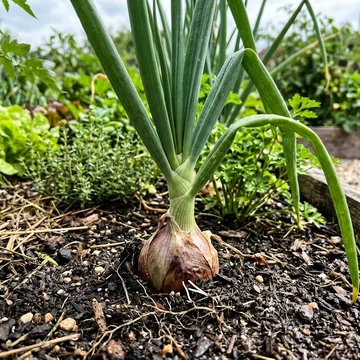
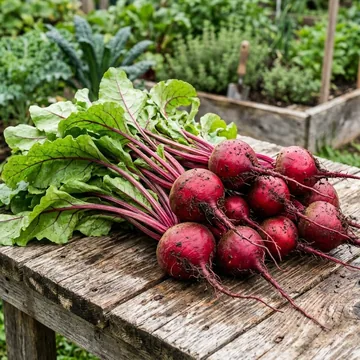
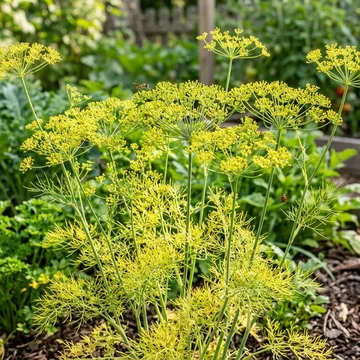
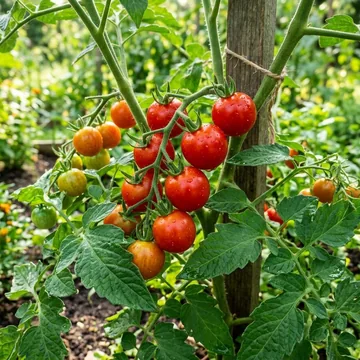
Keep away from: Strawberry, Tomato.
More plants to grow
Popular guides readers also check.
🌱 Get brussels sprouts planting dates for your zone
Get your personalized "what to plant and when" calendar for your zone — plus tips when each crop is ready. Free, unsubscribe anytime.