Home › Plants › Amaranth (Chaulai / Rajgira)
How to Grow Amaranth (Chaulai / Rajgira)
Zones 4a–11b · Beginner · 50–75 days
Container-friendlyBalcony/patioIndoor-friendly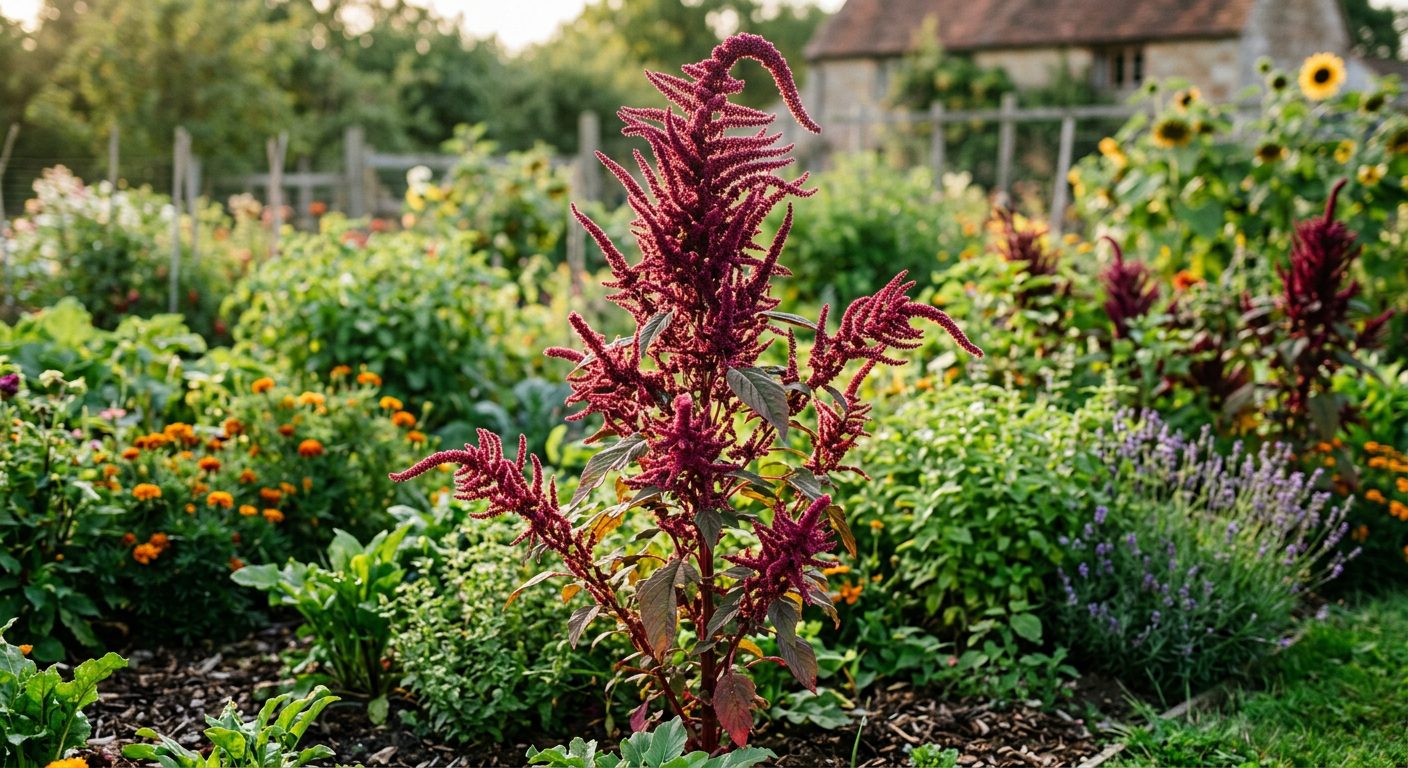
Amaranth (chaulai saag) is a fast-growing leafy vegetable and grain crop used across Indian, African, and Central American cuisines. The leaves are cooked like spinach; the seeds (rajgira) are a nutritious grain used in laddoos and rotis. Extremely productive and heat-tolerant.
Light
Water
Soil
Days to harvest
Start indoors
When to plant Amaranth (Chaulai / Rajgira)s
Your exact dates depend on your last frost date. Enter your location to get your personalized planting calendar.
In general: start seeds indoors 4 weeks before your last frost, and expect harvest ~50–75 days later. See zone 4a →
Growing guide
Overview
Amaranth (chaulai saag) is a fast-growing leafy green and grain crop grown across Indian, African, and Central American kitchens. It thrives in heat and full sun, producing tender leaves in as little as 50 days and edible seed heads (rajgira) later in the season. Give it well-drained soil, low water, and plenty of warmth, and it will keep producing even when other greens bolt.
Soil & planting prep
Amaranth grows best in loamy or sandy, well-drained soil with a slightly acidic to neutral pH around 6.0–7.5. Work in a few inches of compost before planting, and if your soil is heavy clay, plant in raised beds or containers to avoid soggy roots. Thin or space plants 10–12 inches apart so air moves between them.
When to plant
Amaranth is not frost-tolerant, so direct sow outdoors only after your last frost date, once the soil has warmed to at least 60°F. If you start seeds indoors, begin about 4 weeks before your last frost date and transplant after the danger of frost has passed. In warm regions (zones 8–11), you can also succession-sow every 3–4 weeks through summer for a steady leaf harvest.
How to plant
- Wait until all danger of frost has passed and the soil is warm — amaranth seeds rot in cold, wet ground.
- Sow seeds 1/4 inch deep, barely covering them, since amaranth needs light to germinate well.
- Space seeds or young seedlings 10–12 inches apart in rows 12–18 inches apart; thin crowded plants when they are 2–3 inches tall.
- Water gently after sowing and keep the soil lightly moist until germination, which usually takes 7–14 days.
- For container growing, use a 5-gallon pot per plant filled with well-drained potting mix and place it in full sun.
5 common mistakes to avoid
- Sowing too early in cold soil — amaranth seeds need warmth to germinate and will rot or fail if planted before the soil reaches 60°F, so wait until after your last frost date.
- Letting plants dry out completely as seedlings — although amaranth is drought-tolerant once established, young seedlings have shallow roots and need consistent moisture for the first two weeks.
- Over-fertilizing with too much nitrogen — this pushes leaf growth at the expense of seed heads and can make leaves accumulate nitrates; amaranth generally needs only moderate fertility.
- Harvesting only the whole plant at once — for continuous greens, pick outer leaves regularly; if you cut the whole plant too early, you lose the ongoing harvest and seed production.
- Ignoring self-seeding — amaranth drops thousands of seeds and will volunteer everywhere next year; deadhead or harvest seed heads before they shatter if you don’t want it spreading.
Harvesting & storage
For greens, start picking outer leaves when plants are 6–8 inches tall, about 50–60 days from sowing, and keep harvesting until the plant flowers. For grain, let seed heads turn brown and dry on the plant, then cut them and thresh over a bucket or bag. Store dry seed in an airtight container in a cool, dark place; use fresh leaves within a few days of picking.
Companion planting
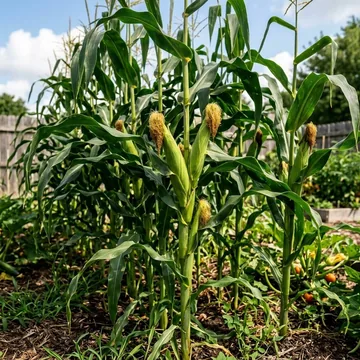
Amaranth grows well with corn, beans, and other warm-season crops that share its sun and water needs. Avoid planting it near fennel or dill, which can inhibit growth in some gardens.
Growing in containers
Amaranth is container-friendly — use one 5-gallon pot per plant with drainage holes and a well-drained potting mix. Keep it in full sun on a balcony or patio, and water when the top inch of soil feels dry.
Pro tips
Direct sow after last frost — grows rapidly in heat. Harvest outer leaves continuously for greens. For grain, let seed heads mature and turn brown, then thresh over a bucket. Leaf amaranth is ready in 6-8 weeks. Self-seeds prolifically — deadhead if you do not want volunteers.
Grow Amaranth (Chaulai / Rajgira)s this season
Get amaranth (chaulai / rajgira) seeds and supplies matched to your climate.
Shop amaranth (chaulai / rajgira) seeds →We may earn a commission when you buy through links on our site. Full disclosure.
Frequently asked questions
How long do Amaranth (Chaulai / Rajgira)s take to grow?
Amaranth (Chaulai / Rajgira)s take about 50–75 days, plus 4 weeks to start seeds indoors.
What zone does Amaranth (Chaulai / Rajgira) grow in?
Amaranth (Chaulai / Rajgira)s grow in USDA Hardiness Zones 4a–11b.
Can you grow Amaranth (Chaulai / Rajgira) in a container?
Yes — Amaranth (Chaulai / Rajgira)s grow well in containers. A 5-gallon pot or larger is ideal.
Is Amaranth (Chaulai / Rajgira) hard to grow?
Difficulty: Beginner. Amaranth (chaulai saag) is a fast-growing leafy vegetable and grain crop used across Indian, African, and Central American cuisines. The leaves are cooked like spinach; the seeds (rajgira) are a nutritious grain used in laddoos and rotis. Extremely productive and heat-tolerant.
Is Amaranth (Chaulai / Rajgira) safe for dogs and cats?
Amaranth (Chaulai / Rajgira)s are safe for both dogs and cats.
Grows well with
Companion plants that help amaranth (chaulai / rajgira) — improving growth, repelling pests, or attracting pollinators.
More plants to grow
Popular guides readers also check.

🌱 Get amaranth (chaulai / rajgira) planting dates for your zone
Get your personalized "what to plant and when" calendar for your zone — plus tips when each crop is ready. Free, unsubscribe anytime.