How to Grow Strawberry
Zones 3a–10b · Beginner · Perennial
Container-friendlyBalcony/patioPerennial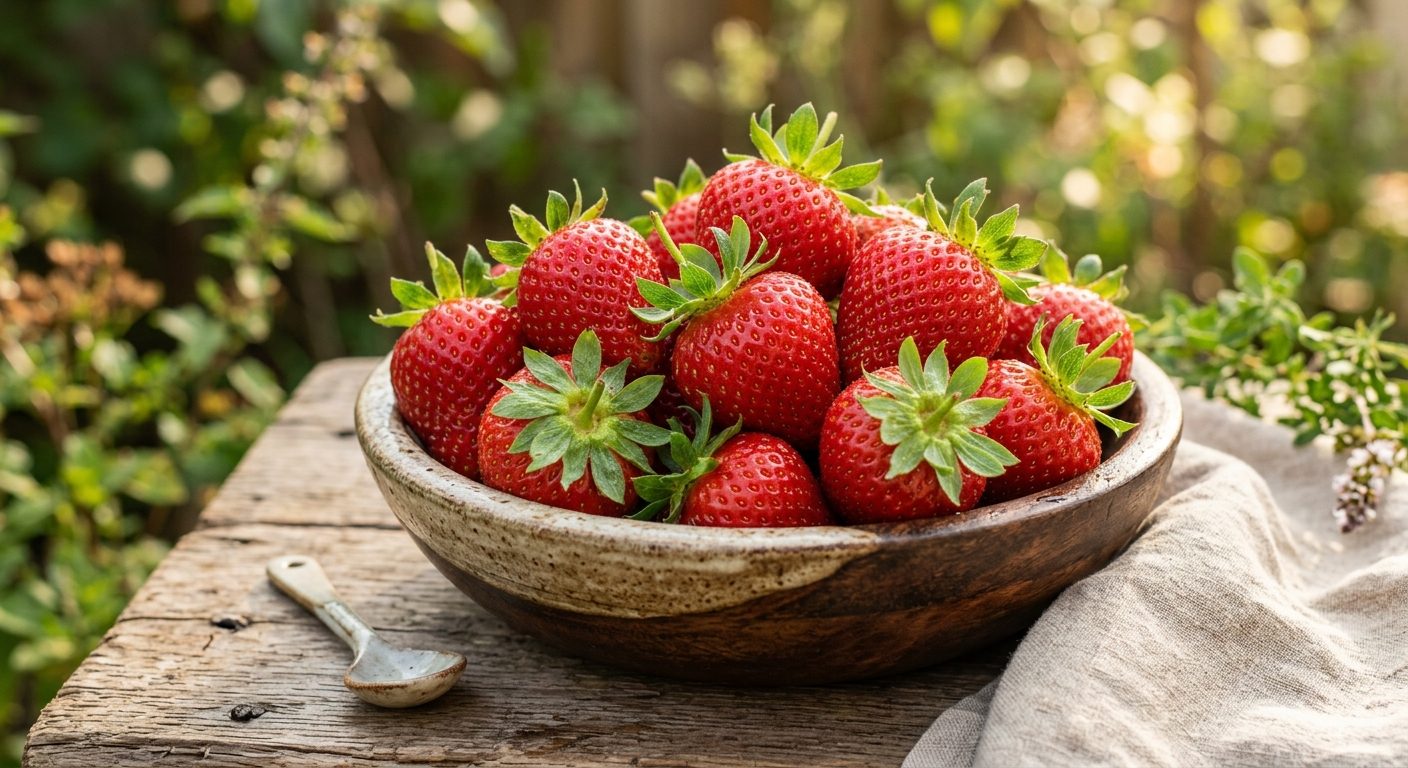
Strawberries are one of the most satisfying fruits to grow at home — picked ripe from the garden they are incomparable.
Light
Water
Soil
Days to harvest
When to plant Strawberries
Your exact dates depend on your last frost date. Enter your location to get your personalized planting calendar.
In general: direct-sow or transplant after your last frost, and expect harvest starting the following season. See zone 3a →
Growing guide
Overview
Strawberries are cold-hardy perennial fruits that grow well across most of the US and Canada. Growers love them for sweet, early-season berries and compact growth that suits both garden beds and containers. They thrive in full sun, well-drained loamy or sandy soil, and even moisture.
Soil & planting prep
Strawberries prefer loose, well-drained loamy or sandy soil with a pH around 5.5–6.5. Work 1–2 inches of compost into the top 6–8 inches of soil before planting. Space plants 12–18 inches apart, and set the crown at soil level so the roots are buried but the crown itself is not covered.
When to plant
Plant dormant crowns or potted strawberry plants in early spring, about 4–6 weeks before your last frost date, as soon as the soil can be worked. Strawberries tolerate light frost, so spring planting can begin before the last frost. Avoid fall planting for a new bed; establish plants in spring.
How to plant
- Choose a full-sun site with well-drained loamy or sandy soil, and avoid low spots where water collects.
- Dig a hole wide enough to spread the roots without crowding them, and deep enough to keep the crown at soil level.
- Set the plant so the roots are below the soil and the central crown sits exactly at the soil surface, not buried.
- Space plants 12–18 inches apart in rows 24–36 inches apart, then firm soil gently around the roots.
- Water thoroughly after planting and apply straw or shredded-leaf mulch around plants, keeping the crown exposed.
5 common mistakes to avoid
- Burying the crown too deep or leaving roots exposed is the most common strawberry failure: a buried crown rots, while exposed roots dry out, so keep the crown exactly at soil level.
- Planting in heavy, waterlogged soil leads to root and crown rot, especially in low spots; use sandy or loamy well-drained soil and consider raised beds if drainage is poor.
- Allowing every runner to root creates an overcrowded mat with small, disease-prone berries; remove excess runners or direct only the healthiest ones into open space.
- Feeding strawberries a high-nitrogen fertilizer pushes leafy growth instead of fruit; use a balanced fertilizer or one labeled for fruiting plants at the recommended rate.
- For June-bearing varieties, letting plants fruit heavily in their first year can weaken new crowns and reduce future yields; pinch off first-year flowers to establish strong roots first.
Harvesting & storage
Strawberries are ready when they are fully red to the tip with no white or green shoulder, and they do not sweeten after picking. Harvest by pinching the stem just above the green cap so the cap stays attached. Store unwashed in the refrigerator and use within 2–3 days, or freeze whole berries for later use.
Companion planting
Good companions include borage, lettuce, spinach, and bush beans. Avoid planting strawberries where tomatoes, potatoes, peppers, or eggplant have grown recently, because those nightshades can share soil-borne diseases such as Verticillium wilt.
Growing in containers
Strawberries are very container-friendly and grow well in pots, hanging baskets, and rail planters. Give each plant at least a 3-gallon container with drainage holes, and choose everbearing or day-neutral varieties for the longest harvest.
Pro tips
Plant crowns at soil level — too deep rots the plant too shallow dries it out. June-bearing gives one large harvest; everbearing gives smaller harvests all season. Remove runners unless you want more plants.
Grow Strawberries this season
Get strawberry seeds and supplies matched to your climate.
Shop strawberry seeds →We may earn a commission when you buy through links on our site. Full disclosure.
Frequently asked questions
How long do Strawberries take to grow?
Strawberries take about Perennial.
What zone does Strawberry grow in?
Strawberries grow in USDA Hardiness Zones 3a–10b.
Can you grow Strawberry in a container?
Yes — Strawberries grow well in containers. A 3-gallon pot or larger is ideal.
Is Strawberry hard to grow?
Difficulty: Beginner. Strawberries are one of the most satisfying fruits to grow at home — picked ripe from the garden they are incomparable.
Is Strawberry safe for dogs and cats?
Strawberries are safe for both dogs and cats.
Grows well with
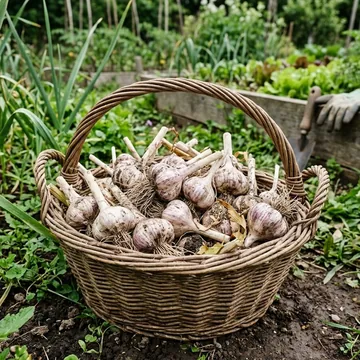
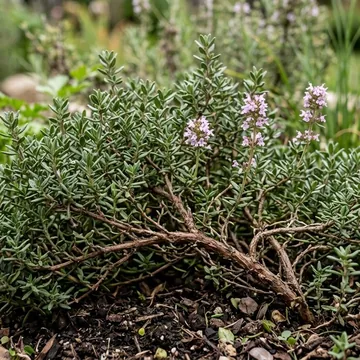
Companion plants that help strawberry — improving growth, repelling pests, or attracting pollinators.
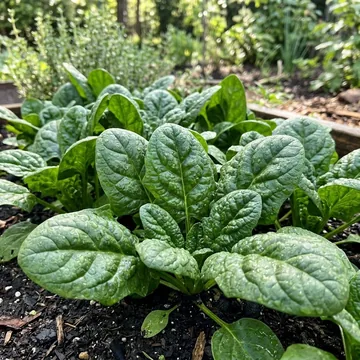
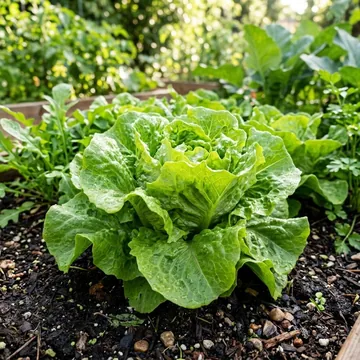
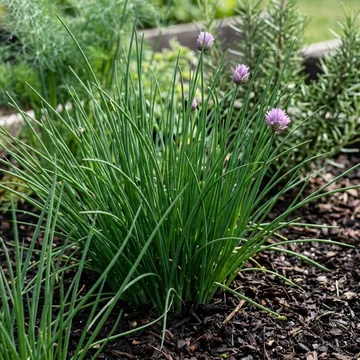
Keep away from: Cabbage, Broccoli.
More plants to grow
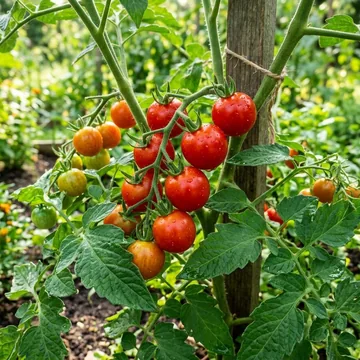
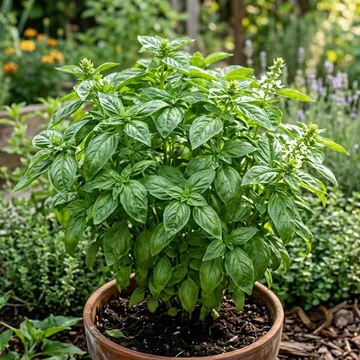
Popular guides readers also check.
🌱 Get strawberry planting dates for your zone
Get your personalized "what to plant and when" calendar for your zone — plus tips when each crop is ready. Free, unsubscribe anytime.