Can You Grow Amaranth (Chaulai / Rajgira) in Zone 8b?
Amaranth (Chaulai / Rajgira) grows well in Zone 8b
Amaranth thrives in your zone — a productive dual-purpose crop for greens and nutritious grain.
📅 When to Plant in Zone 8b
Based on Zone 8b's average last frost of late January and first frost of mid-December — frost can arrive earlier or later in any given year, so check your local forecast before you transplant.
🌱 Growing Amaranth (Chaulai / Rajgira) in Zone 8b
Direct sow after last frost — grows rapidly in heat. Harvest outer leaves continuously for greens. For grain, let seed heads mature and turn brown, then thresh over a bucket. Leaf amaranth is ready in 6-8 weeks. Self-seeds prolifically — deadhead if you do not want volunteers.
🗺️ USDA Plant Hardiness Zones
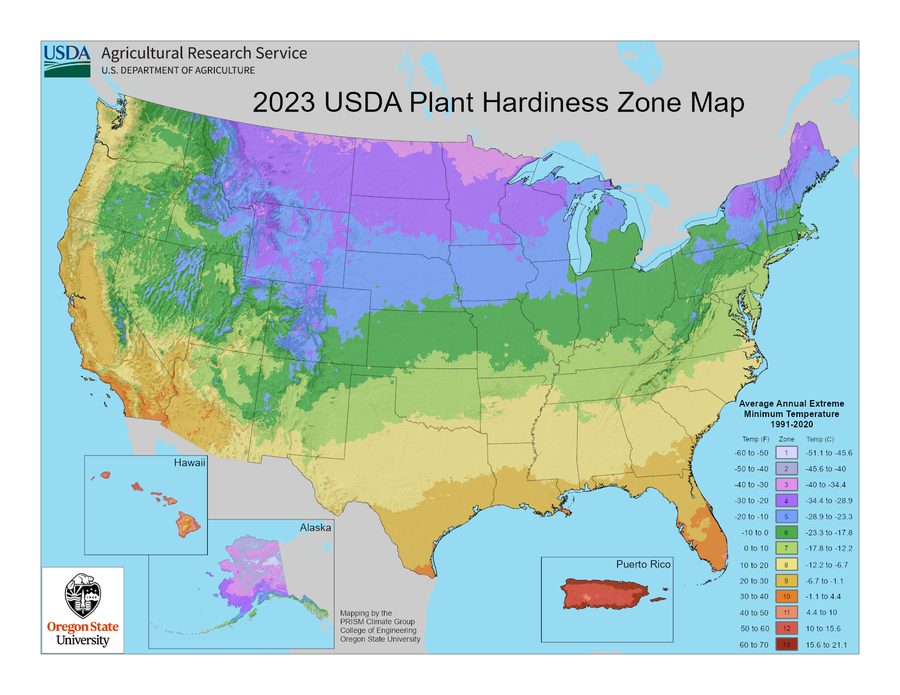
2023 USDA Plant Hardiness Zone Map — public domain. USDA Agricultural Research Service
USDA zones run 1a–13b (26 half-zones). Each full zone above covers both the a and b half-zones. Browse all US zones →
Technical climate details for Zone 8b
- USDA Zone
- 8b
- Last Frost
- late January
- First Frost
- mid-December
- Frost-Free Days
- 319
- Amaranth (Chaulai / Rajgira) Zone Range
- 4a – 11b
- Days to Harvest
- 50–75 days