How to Grow Blueberry
Zones 3a–9a · Intermediate · Perennial
Container-friendlyBalcony/patioPerennial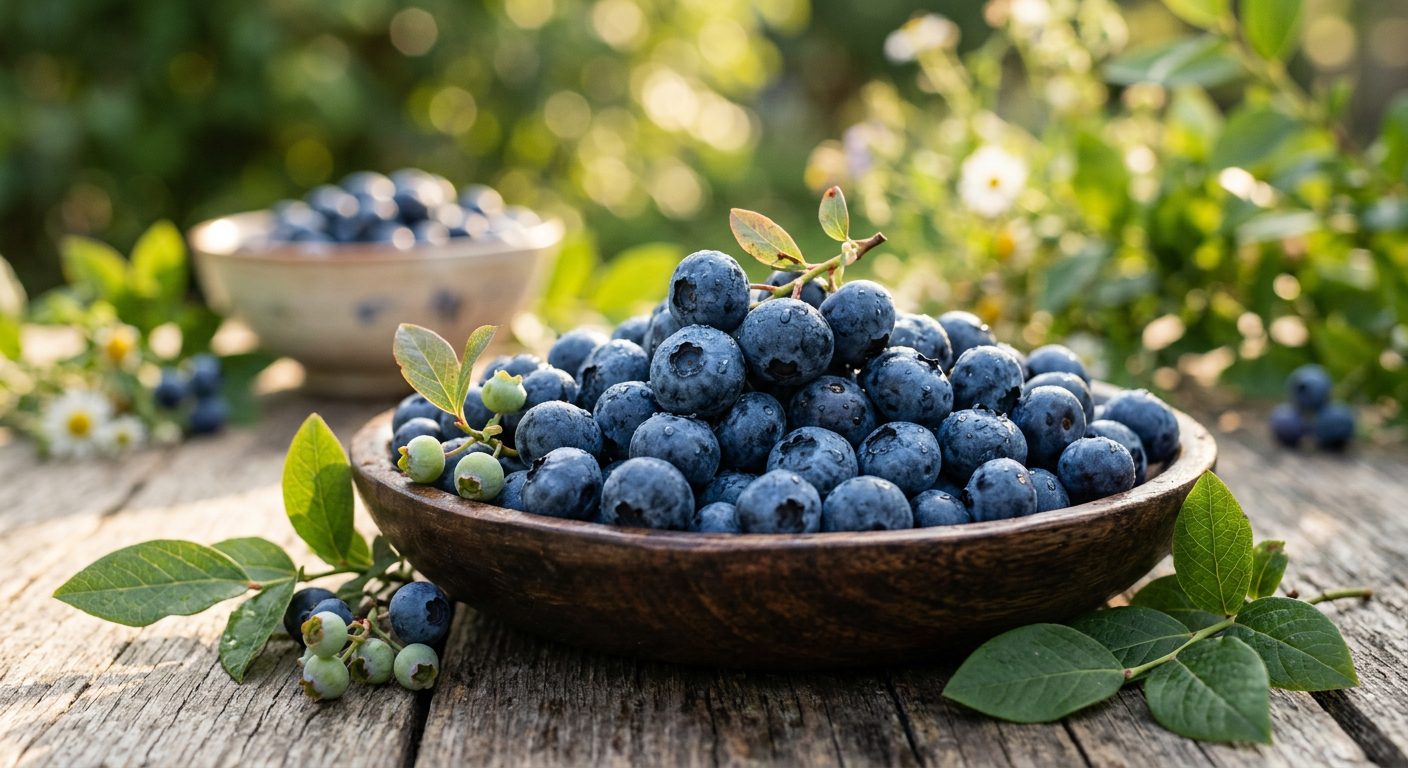
Blueberries need acidic soil (pH 4.5-5.5) and at least two varieties for cross-pollination — but are long-lived once established.
Light
Water
Soil
Days to harvest
When to plant Blueberries
Your exact dates depend on your last frost date. Enter your location to get your personalized planting calendar.
In general: direct-sow or transplant after your last frost, and expect harvest starting the following season. See zone 3a →
Growing guide
Overview
Blueberries are hardy perennial shrubs that produce sweet berries for decades once established. They need full sun, consistent moisture, and — above all — acidic soil. They are self-infertile, so you must plant at least two different varieties for cross-pollination and good fruit set.
Soil & planting prep
Blueberries demand acidic soil with a pH between 4.5 and 5.5. Sandy loam high in organic matter is ideal; amend heavy clay with peat moss, compost, and elemental sulfur. Space plants 4 to 6 feet apart in rows 8 to 10 feet apart, and set them at the same depth they grew in the nursery.
When to plant
Plant blueberries in early spring, as soon as the soil can be worked and about 4 to 6 weeks before your last expected frost date. In cold climates (zones 3–5), wait until the ground has thawed and danger of hard frost has passed. In warm climates (zones 8–9), plant in late fall or winter when plants are dormant.
How to plant
- Test your soil pH first; if it’s above 5.5, mix elemental sulfur into the top 6 inches at the recommended rate and wait 2–3 months before planting.
- Dig a hole twice as wide as the root ball but no deeper than the root ball itself — blueberries have shallow roots and deep planting kills them.
- Set the plant so the top of the root ball is level with or 1 inch above the surrounding soil, then backfill with a mix of native soil, peat moss, and pine bark.
- Water thoroughly to settle the soil, then apply a 3- to 4-inch layer of pine bark or pine needle mulch, keeping it 2 inches away from the stems.
- Space plants 4–6 feet apart within the row and 8–10 feet between rows; for a hedge, plant 3 feet apart.
5 common mistakes to avoid
- Planting in alkaline soil without amending it — blueberries cannot absorb iron or other nutrients when pH is above 5.5, so leaves turn yellow and growth stalls; always test and adjust pH before planting.
- Growing only one variety — blueberries are self-infertile and need cross-pollination from a different variety that blooms at the same time; plant at least two compatible varieties for a full crop.
- Letting the soil dry out — blueberries have shallow, fibrous roots that dry quickly, especially in sandy soil; water deeply once or twice a week, aiming for 1–2 inches of water per week including rain.
- Overfertilizing with the wrong product — standard balanced fertilizers can burn blueberry roots and raise pH; use an acid-loving plant fertilizer (like those for rhododendrons) in early spring and again after harvest.
- Expecting a full harvest in the first year or two — young blueberry plants need 3 years to establish and reach full production; picking flowers off in the first year helps roots and canopy develop.
Harvesting & storage
Berries are ready when they turn fully blue, are slightly soft, and pull easily from the stem — taste one to confirm sweetness. Pick every 3 to 5 days during the season, using two hands to gently roll berries off the cluster. Store fresh berries unwashed in the refrigerator for up to 2 weeks, or freeze them on a tray and then bag for longer storage.
Companion planting
Good companions include lowbush blueberries, rhododendrons, azaleas, and other acid-loving plants that share the same soil pH. Avoid planting near black walnut trees, which release juglone that can stunt blueberries, and keep them away from shallow-rooted trees that compete for water and nutrients.
Growing in containers
Blueberries grow well in containers — use a 5-gallon pot per plant with a mix of 50% peat moss, 30% pine bark, and 20% perlite to keep the pH low. In cold zones, insulate the pot or move it to an unheated garage over winter, and water regularly because container soil dries out faster than garden soil.
Pro tips
Plant at least two different varieties for pollination. Soil must be acidic — test and amend with sulphur if needed. Mulch thickly with pine bark. Do not expect full production for 3 years.
Grow Blueberries this season
Get blueberry seeds and supplies matched to your climate.
Shop blueberry seeds →We may earn a commission when you buy through links on our site. Full disclosure.
Frequently asked questions
How long do Blueberries take to grow?
Blueberries take about Perennial.
What zone does Blueberry grow in?
Blueberries grow in USDA Hardiness Zones 3a–9a.
Can you grow Blueberry in a container?
Yes — Blueberries grow well in containers. A 5-gallon pot or larger is ideal.
Is Blueberry hard to grow?
Difficulty: Intermediate. Blueberries need acidic soil (pH 4.5-5.5) and at least two varieties for cross-pollination — but are long-lived once established.
Is Blueberry safe for dogs and cats?
Blueberries are safe for both dogs and cats.
Grows well with
Companion plants that help blueberry — improving growth, repelling pests, or attracting pollinators.
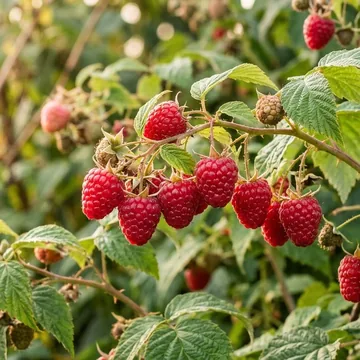

Keep away from: Cabbage, Tomato.
More plants to grow
Popular guides readers also check.
🌱 Get blueberry planting dates for your zone
Get your personalized "what to plant and when" calendar for your zone — plus tips when each crop is ready. Free, unsubscribe anytime.