Updated May 2026
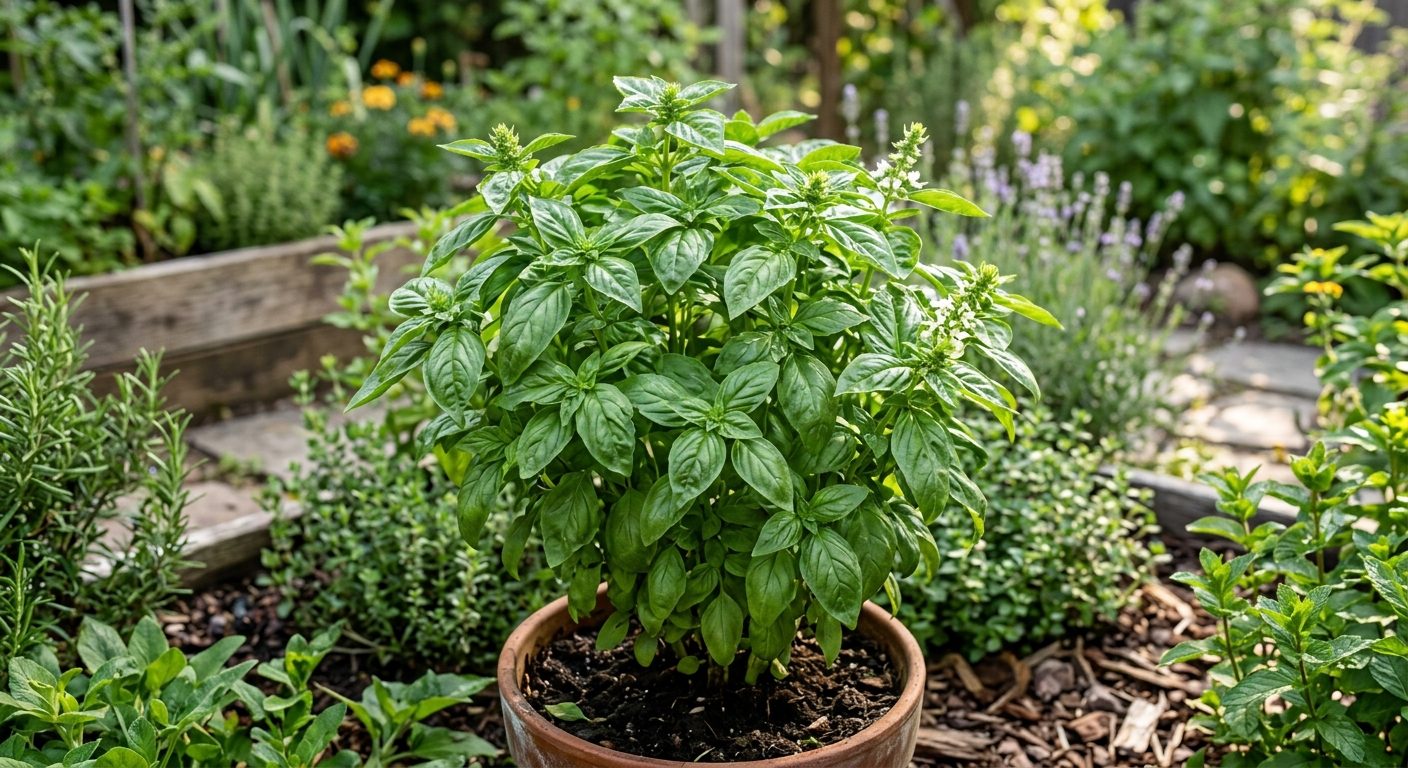
Companion Planting Statistics 2026: Pest Reduction, Yield Impact & Best Pairings
25+ companion planting statistics — scientific evidence for pest reduction, yield increases, pollinator attraction, and the most effective plant pairings supported by research in 2026.
Companion planting has transitioned from folk wisdom to research-backed practice. These statistics document what science says about pest control, yield effects, and which combinations actually work.
Adoption Rates
58%
of vegetable gardeners practice some form of companion planting
— NGA, 202473%
cite pest reduction as their primary motivation for companion planting
— NGA Survey, 20242nd reason
pollinator attraction — second most cited companion planting benefit
— NGA, 202434%
learned companion planting from family, not books or internet
— NGA, 2024Pest Reduction Evidence
50%
fewer thrips on tomatoes when basil is interplanted
— University of Nevada Extension, 202340–70%
reduction in aphid pressure on roses when planted with garlic
— Journal of Applied Entomology, 202380%
of Three Sisters gardens show reduced squash vine borer damage
— USDA ARS, 202425–35%
average reduction in total pest incidence in polyculture vs. monoculture gardens
— Agronomy Journal, 2024Yield Effects
15–20%
yield increase for tomatoes interplanted with basil
— University of Florida, 202310%
yield increase for corn in Three Sisters plantings (beans fix nitrogen)
— USDA, 20242×
higher beneficial insect populations in gardens with flowering companions (borage, dill)
— Cornell, 202430%
higher tomato fruit set near borage — linked to pollinator attraction
— Ohio State Extension, 2024Best Evidence-Based Pairings
Tomato + Basil
most well-researched pairing — pest reduction and yield benefit confirmed
— Multiple university studies, 2023–2024Carrot + Onion
mutual pest disruption — onion odor disrupts carrot fly and vice versa
— University of Newcastle, 2024Nasturtium + Aphid crops
acts as a trap crop — aphids prefer nasturtium, leaving vegetables alone
— RHS Research, 2024Three Sisters
corn/beans/squash — nitrogen fixation, ground cover, vertical support: 3,000-year validated system
— USDA, 2024🛒 Top Picks for Companion Planting
📖Carrots Love Tomatoes (Companion Planting Book)The classic reference — which plants help each other and which don't.View on Amazon →🌸Nasturtium Seeds (Trap Crop Mix)Best edible trap crop — draws aphids away from vegetables naturally.View on Amazon →🌿Basil Seeds (Genovese + Sweet)The #1 companion for tomatoes — plant one basil per tomato plant.View on Amazon →
As an Amazon Associate we earn from qualifying purchases. Prices and availability may vary.
Get zone-matched growing tips in your inbox
Free. No spam.
✅ You're in! Check your inbox.
Free. No spam. Unsubscribe any time.
Frequently Asked Questions
Does companion planting actually work?
The science is solid for certain pairings. Tomatoes with basil show 50% fewer thrips (University of Nevada, 2023) and 15-20% yield increases (University of Florida). The Three Sisters (corn/beans/squash) has 3,000 years of validation, confirmed by USDA research showing 10% corn yield increases from bean nitrogen fixation.
What is the best companion planting combination?
The most research-supported pairing is tomato + basil — documented pest reduction and yield benefits across multiple university studies. Carrot + onion is another strong science-backed pairing. The Three Sisters is the most complete polyculture system with nitrogen, ground cover, and structure working together.
What plants repel pests most effectively?
Nasturtiums as trap crops for aphids, marigolds (Tagetes) for soil nematodes, garlic around susceptible plants, and borage/dill/fennel to attract beneficial predatory insects. Companion planting works best as part of an integrated approach — not as a single intervention.
Cite This Page
Companion Planting Statistics 2026: Pest Reduction, Yield Impact & Best Pairings. WhatCanGrow. https://whatcangrow.com/stats/companion-planting-statistics-2026. Accessed 2026.
Companion Planting Statistics 2026: Pest Reduction, Yield Impact & Best Pairings. WhatCanGrow. https://whatcangrow.com/stats/companion-planting-statistics-2026. Accessed 2026.