What Can Grow in Alabama?
Alabama has a humid subtropical climate with long hot summers and mild winters. Most of the state supports year-round cool-season growing and a long warm season for vegetables.
📅 Planting Calendar for Alabama
When to start seeds indoors and transplant outdoors, based on your average frost dates. Actual timing shifts year to year — use these as a starting point, not a fixed schedule.
| Plant | Start Indoors | Transplant Out | Direct Sow | Harvest |
|---|---|---|---|---|
| 🌾 Amaranth (Chaulai / Rajgira) | Jan 18 | Feb 15 | — | Apr 6 – May 1 |
| 🥦 Artichoke | Jan 1 | Feb 15 | — | May 11 – May 26 |
| 🥬 Arugula | — | — | Feb 15 | Mar 8 – Mar 27 |
| ❤️ Beets | — | — | Feb 15 | Apr 6 – Apr 26 |
| 🫑 Bell Pepper | Jan 1 | Feb 15 | — | Apr 26 – May 16 |
| 🥬 Bok Choy | Jan 18 | Feb 15 | — | Apr 1 – Apr 16 |
| 🥒 Bottle Gourd (Lauki / Doodhi) | Jan 18 | Feb 15 | — | Apr 6 – Apr 26 |
| 🥦 Broccoli | Jan 4 | Feb 15 | — | Apr 16 – May 6 |
| 🫛 Brussels Sprouts | Jan 1 | Feb 15 | — | May 16 – Aug 14 |
| 🥬 Cabbage | Jan 4 | Feb 15 | — | Apr 26 – Jun 15 |
| 🥕 Carrot | — | — | Feb 15 | Apr 26 – May 6 |
| 🥔 Celeriac | Jan 1 | Feb 15 | — | Jun 5 – Jun 15 |
| 🍒 Cherry Tomato | Jan 4 | Feb 15 | — | Apr 11 – Apr 26 |
| 🌶️ Chili Pepper | Jan 1 | Feb 15 | — | Apr 21 – May 6 |
| 🥬 Collard Greens | Jan 18 | Feb 15 | — | Apr 16 – May 6 |
| 🌽 Corn | — | — | Feb 15 | Apr 16 – May 16 |
| 🥒 Cucumber | Jan 25 | Feb 15 | — | Apr 6 – Apr 26 |
| 🫛 Edamame (Soybean) | — | — | Feb 15 | Apr 26 – May 21 |
| 🍆 Eggplant | Jan 1 | Feb 15 | — | Apr 21 – May 6 |
| 🫘 Fava Beans | — | — | Feb 15 | May 6 – May 26 |
| 🌿 Florence Fennel | — | — | Feb 15 | Apr 21 – May 16 |
| 🧄 Garlic | — | — | Oct 1 – Oct 31 | Jun – Jul (following year) |
| 🫚 Ginger | Jan 1 | Feb 15 | — | Oct 13 – Dec 12 |
| 🫘 Green Beans | — | — | Feb 15 | Apr 6 – Apr 21 |
| 🍬 Ground Cherry | Jan 4 | Feb 15 | — | Apr 26 – May 11 |
| 🥬 Kale | Jan 18 | Feb 15 | — | Apr 11 – May 1 |
| 🥬 Kohlrabi | Jan 18 | Feb 15 | — | Apr 1 – Apr 16 |
| 🧅 Leek | Jan 1 | Feb 15 | — | May 26 – Jul 15 |
| 🥬 Lettuce | — | — | Feb 15 | Mar 17 – Apr 16 |
| 🥒 Luffa (Turai / Ridge Gourd) | Jan 18 | Feb 15 | — | Apr 26 – May 16 |
| 🌱 Microgreens | — | — | Feb 15 | Feb 22 – Mar 8 |
| 🥬 Mustard Greens | — | — | Feb 15 | Mar 17 – Mar 27 |
| 🌶️ Okra | Jan 25 | Feb 15 | — | Apr 6 – Apr 21 |
| 🧅 Onion | Jan 1 | Feb 15 | — | May 16 – Jun 15 |
| 🥕 Parsnip | — | — | Feb 15 | May 26 – Jun 25 |
| 🫛 Peas | — | — | Feb 15 | Apr 11 – Apr 26 |
| 🥔 Potato | — | — | Feb 15 | Apr 26 – Jun 15 |
| 🎃 Pumpkin | Jan 25 | Feb 15 | — | May 1 – May 26 |
| 🔴 Radish | — | — | Feb 15 | Mar 9 – Mar 17 |
| 🥔 Rutabaga | — | — | Feb 15 | May 16 – May 31 |
| 🫛 Snap Peas | — | — | Feb 15 | Apr 16 – Apr 26 |
| 🥬 Spinach | — | — | Feb 15 | Mar 27 – Apr 6 |
| 🍠 Sweet Potato | — | — | Feb 15 | May 16 – Jun 15 |
| 🥬 Swiss Chard | — | — | Feb 15 | Apr 6 – Apr 16 |
| 🫚 Taro (Arbi / Colocasia) | Jan 1 | Feb 15 | — | Jul 15 – Sep 3 |
| 🫑 Tomatillo | Jan 4 | Feb 15 | — | May 1 – May 26 |
| 🍅 Tomato | Jan 4 | Feb 15 | — | Apr 16 – May 11 |
| 🟡 Turmeric (Haldi) | Jan 1 | Feb 15 | — | Oct 13 – Dec 12 |
| 🫛 Turnip | — | — | Feb 15 | Apr 1 – Apr 16 |
| 🫛 Yard-Long Beans (Snake Beans) | Jan 25 | Feb 15 | — | Apr 16 – May 6 |
| 🥬 Zucchini | Jan 25 | Feb 15 | — | Apr 1 – Apr 16 |
| 🌿 Basil | Jan 18 | Feb 15 | — | Mar 17 – Apr 16 |
| 🌳 Bay Laurel | — | — | Feb 15 | Aug 14 – Feb 15 |
| 💙 Borage | — | — | Feb 15 | Apr 6 – Apr 16 |
| 🌿 Cilantro | — | — | Feb 15 | Mar 8 – Apr 1 |
| 🌿 Dill | — | — | Feb 15 | Mar 27 – Apr 16 |
| 🌱 Fenugreek (Methi) | — | — | Feb 15 | Mar 7 – Mar 17 |
| 🌿 French Tarragon | — | — | Feb 15 | Apr 16 – May 16 |
| 🌼 German Chamomile | — | — | Feb 15 | Apr 16 – May 16 |
| 🍃 Lemon Balm | Jan 4 | Feb 15 | — | Apr 16 – Apr 26 |
| 🌿 Parsley | — | — | Feb 15 | Apr 26 – May 16 |
| 🌿 Stevia | Jan 1 | Feb 15 | — | Apr 16 – May 6 |
| 🍉 Watermelon | Jan 18 | Feb 15 | — | Apr 26 – May 16 |
| 🌻 Sunflower | — | — | Feb 15 | Apr 16 – May 6 |
Dates are averages based on Zone 8a frost dates (last frost: mid-February, first frost: early December). Frost can come earlier or later than usual — always check your 10-day forecast before transplanting.
🥦 Vegetables
- 🌾 Amaranth (Chaulai / Rajgira) EasyContainer OK
- 🥦 Artichoke
- 🥬 Arugula EasyContainer OK
- 🌿 Asparagus
- ❤️ Beets EasyContainer OK
- 🫑 Bell Pepper Container OK
- 🥬 Bok Choy EasyContainer OK
- 🥒 Bottle Gourd (Lauki / Doodhi)
- 🥦 Broccoli Container OK
- 🫛 Brussels Sprouts
- 🥬 Cabbage Container OK
- 🥕 Carrot Container OK
- 🥔 Celeriac
- 🍒 Cherry Tomato EasyContainer OK
- 🌶️ Chili Pepper EasyContainer OK
- 🥬 Collard Greens EasyContainer OK
- 🌽 Corn
- 🥒 Cucumber EasyContainer OK
- 🫛 Edamame (Soybean) EasyContainer OK
- 🍆 Eggplant Container OK
- 🫘 Fava Beans
- 🌿 Florence Fennel Container OK
- 🧄 Garlic EasyContainer OK
- 🫚 Ginger Container OK
- 🫘 Green Beans EasyContainer OK
- 🍬 Ground Cherry EasyContainer OK
- 🥬 Kale EasyContainer OK
- 🥬 Kohlrabi EasyContainer OK
- 🧅 Leek Container OK
- 🥬 Lettuce EasyContainer OK
- 🥒 Luffa (Turai / Ridge Gourd)
- 🌱 Microgreens Easy
- 🥬 Mustard Greens EasyContainer OK
- 🌶️ Okra Container OK
- 🧅 Onion Container OK
- 🥕 Parsnip
- 🫛 Peas EasyContainer OK
- 🥔 Potato EasyContainer OK
- 🎃 Pumpkin EasyContainer OK
- 🔴 Radish EasyContainer OK
- 🌿 Rhubarb EasyContainer OK
- 🥔 Rutabaga Easy
- 🫛 Snap Peas EasyContainer OK
- 🥬 Spinach EasyContainer OK
- 🍠 Sweet Potato Container OK
- 🥬 Swiss Chard EasyContainer OK
- 🫚 Taro (Arbi / Colocasia) Container OK
- 🫑 Tomatillo Container OK
- 🍅 Tomato Container OK
- 🟡 Turmeric (Haldi) Container OK
- 🫛 Turnip EasyContainer OK
- 🫛 Yard-Long Beans (Snake Beans) EasyContainer OK
- 🥬 Zucchini EasyContainer OK
🍓 Fruits
🌿 Herbs
⚠️ Worth Trying (Marginal)
These plants are outside the ideal zone range but possible with the right approach.
🗺️ USDA Plant Hardiness Zones
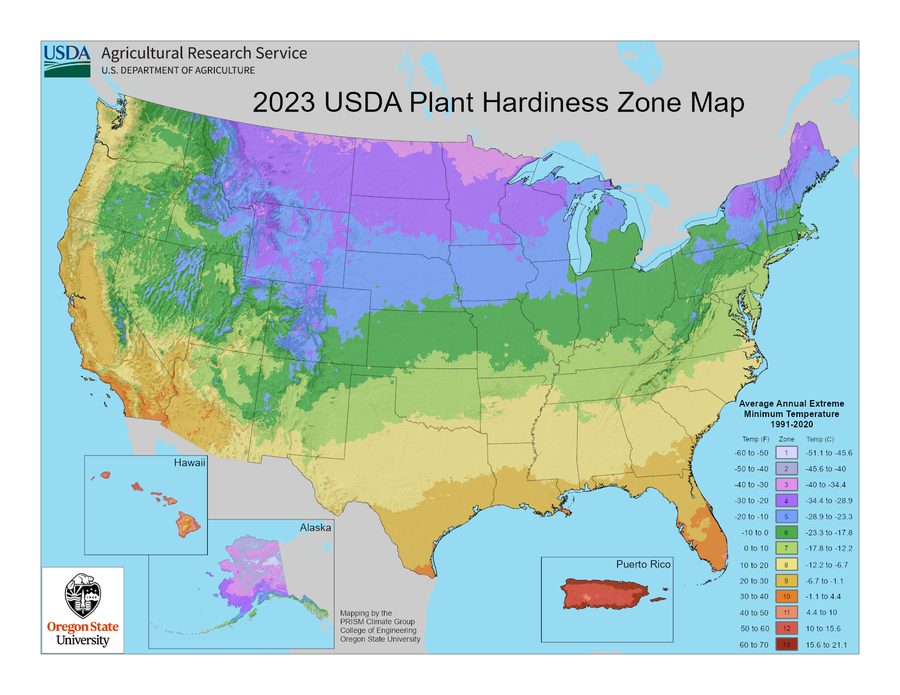
2023 USDA Plant Hardiness Zone Map — public domain. USDA Agricultural Research Service
USDA zones run 1a–13b (26 half-zones). Each full zone above covers both the a and b half-zones. Browse all US zones →
Browse Related Zones
Frequently Asked Questions
Get zone-matched growing tips in your inbox
Free. No spam.
✅ You're in! Check your inbox.
Free. No spam. Unsubscribe any time.