What Grows in Honolulu, HI?
Honolulu's tropical climate on Oahu supports year-round growing with both tropical and cool-season crops.
Zone
Last frost
First frost
Frost-free days
Honolulu is in USDA Zone 12a with about 365 frost-free days, and you can grow sweet potatoes, taro, papaya, bananas, and more here.
Planting tips for Honolulu
Year-round growing. Cool crops on hillsides. Tropical fruits dominate lowland gardens.
What to plant, and when
Timing by your frost dates — last frost None, first frost None.
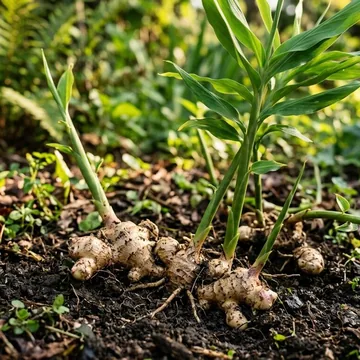
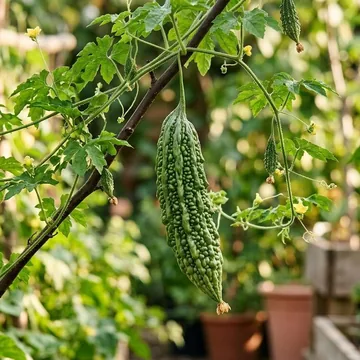
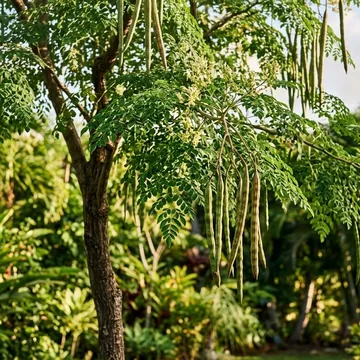
Ginger, Bitter Melon (Karela), Moringa (Drumstick Tree)
What grows well in Honolulu
Frequently asked questions
What hardiness zone is Honolulu, HI in?
Honolulu, HI is in USDA Hardiness Zone 12a. This drives everything about what you can reliably grow — it maps directly to how cold your winters get.
When is the last frost in Honolulu?
The average last spring frost in Honolulu is around None, and the first fall frost is typically None. Plan to move tender plants outside after None and have them harvested (or protected) before None.
What grows well in Honolulu?
Honolulu supports 3+ crops in USDA Zone 12a — see the full grow list above.
How long is Honolulu's growing season?
Honolulu typically has around 365 frost-free days per year (roughly None to None). That's a full season — plenty of time for most annual vegetables plus a succession or fall crop of cool-season greens.
What should I plant first in Honolulu?
Go with fast-maturing crops to get a quick win while the season is short: Bitter Melon (Karela), Moringa (Drumstick Tree), Ginger are among the quickest from seed to harvest in Honolulu.
Can I grow vegetables in containers in Honolulu?
Yes — Honolulu's climate is container-friendly for the right crops. Ginger, Bitter Melon (Karela), Moringa (Drumstick Tree) all do well in pots, which also lets you start them a little earlier and move them in on cold nights.
When should I start seeds indoors in Honolulu?
For warm-season crops like Ginger, Bitter Melon (Karela), Moringa (Drumstick Tree), start seeds indoors 6–8 weeks before your last frost (around None), then transplant after the danger of frost has passed.