What Can Grow in Northwest Territories?
The NWT has an arctic to subarctic climate. Only the very hardiest crops survive the extremely short summer. Gardening under cover is the primary approach.
📅 Planting Calendar for Northwest Territories
When to start seeds indoors and transplant outdoors, based on your average frost dates. Actual timing shifts year to year — use these as a starting point, not a fixed schedule.
| Plant | Start Indoors | Transplant Out | Direct Sow | Harvest |
|---|---|---|---|---|
| 🥬 Cabbage | May 4 | Jun 15 | — | Aug 24 – Oct 13 |
| 🌱 Microgreens | — | — | Jun 15 | Jun 22 – Jul 6 |
Dates are averages based on Zone 1 frost dates (last frost: mid-June, first frost: mid-August). Frost can come earlier or later than usual — always check your 10-day forecast before transplanting.
🥦 Vegetables
- 🥬 Cabbage Container OK
- 🌱 Microgreens Easy
⚠️ Worth Trying (Marginal)
These plants are outside the ideal zone range but possible with the right approach.
🗺️ Canadian Plant Hardiness Zones
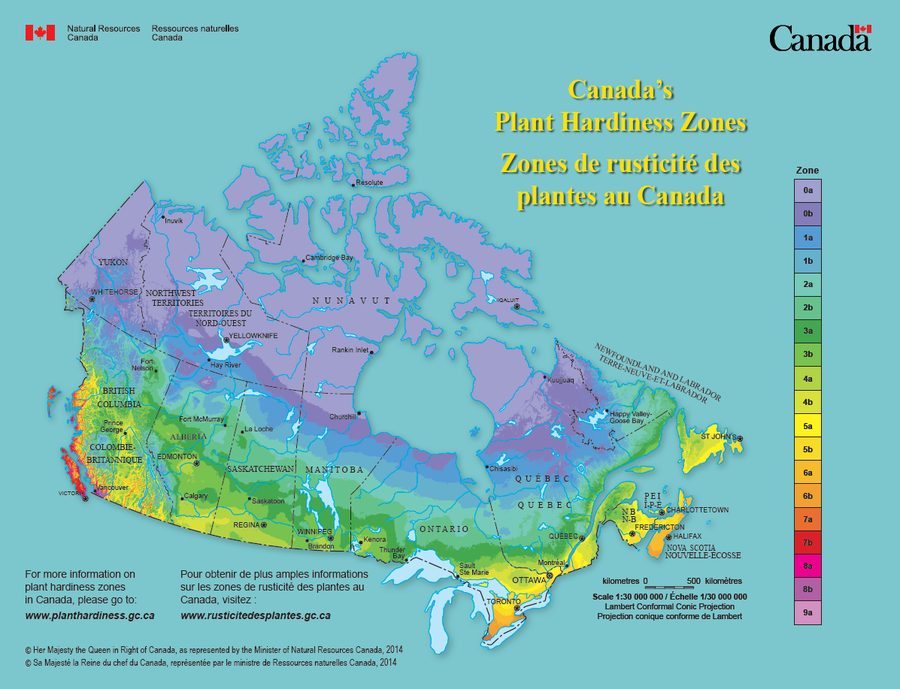
Canadian Plant Hardiness Zone Map (2014) — Agriculture & Agri-Food Canada / Canadian Forest Service
Canadian zones run 0–9 (coldest to warmest) — a separate system from USDA zones. Browse all Canadian zones →
Browse Related Zones
Frequently Asked Questions
Get zone-matched growing tips in your inbox
Free. No spam.
✅ You're in! Check your inbox.
Free. No spam. Unsubscribe any time.