Updated May 2026
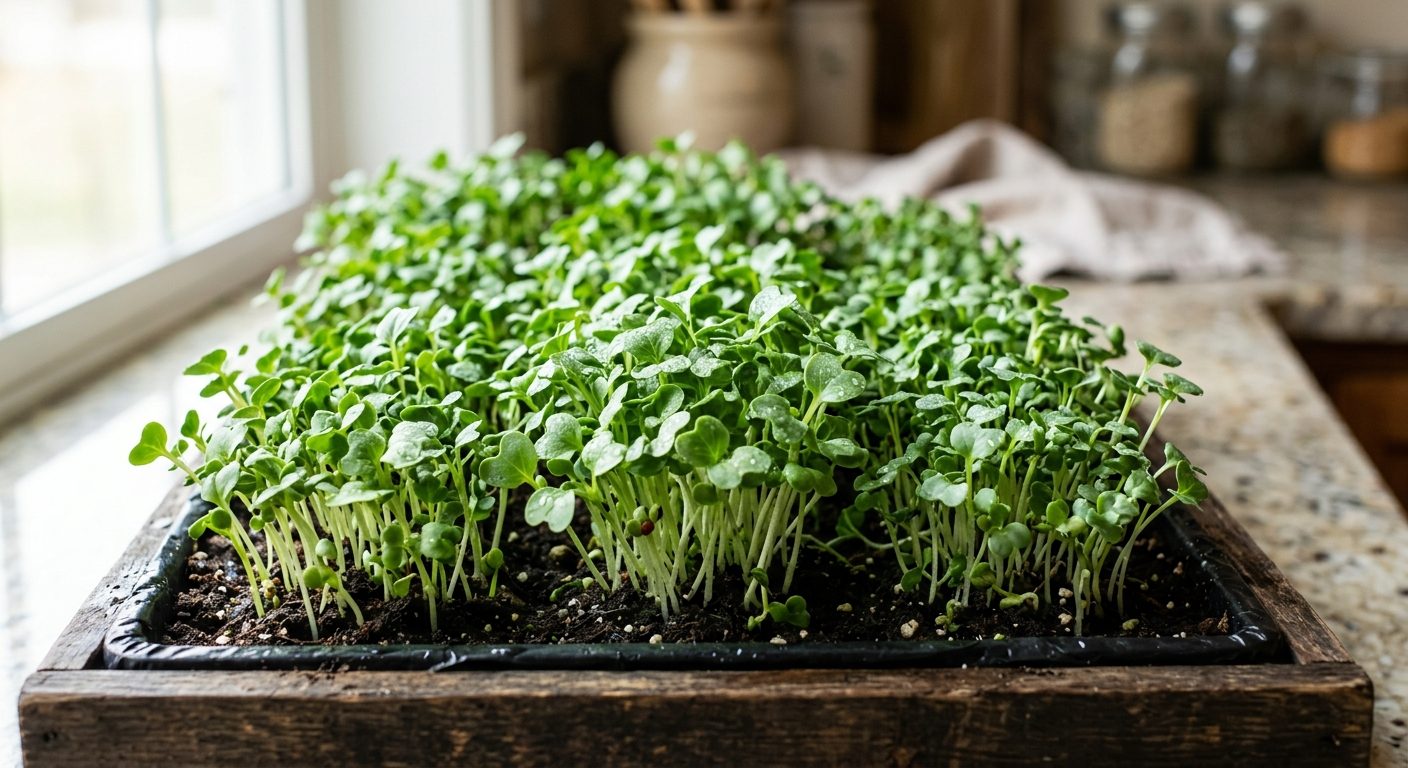
Seed Starting Statistics 2026: Success Rates, Germination & Indoor Growing Trends
25+ seed starting statistics — germination rates by crop, indoor growing adoption, grow light market size, seed sales growth, and what separates successful seed starters from those who fail.
Starting plants from seed extends the growing season, saves money, and unlocks thousands of varieties unavailable at garden centers. These statistics document the growth of seed starting and indoor growing as a mainstream gardening practice in 2026.
Seed Market
$12B
global vegetable seed market size in 2023
— Allied Market Research, 202441%
increase in seed packet sales from 2019 to 2023 — sustained pandemic-era growth
— American Seed Trade Association, 2024400%
increase in heirloom and open-pollinated seed sales since 2020
— Baker Creek Heirloom Seeds, 2024$6.99
average price for a packet of vegetable seeds in 2024
— Market survey, 2024Germination Rates by Crop
85–95%
germination rate for fresh tomato, pepper, and cucumber seeds under proper conditions
— Cornell Cooperative Extension, 202470–80%
germination rate for lettuce and spinach seeds
— University Extension, 202460–70%
germination rate for onion and leek seeds (use fresh seed — drops quickly)
— Extension Service Guidelines, 20242–10 years
viable seed storage life for most vegetables in cool, dry conditions
— National Garden Bureau, 2024Indoor Seed Starting
28%
of US gardeners start seeds indoors under grow lights as of 2024
— NGA, 2024$1.5B
global plant grow light market in 2023
— Grand View Research, 20246–8 weeks
standard lead time for starting tomatoes and peppers indoors before last frost
— University of Minnesota Extension, 2024$0.02–0.25
cost per seedling when started from seed vs. $3–8 for nursery transplants
— Economic comparison, NGASuccess Factors
65%
of failed seed starts are caused by incorrect soil temperature (too cold or variable)
— Seed Savers Exchange, 202470–85°F
optimal soil temperature range for germinating most warm-season vegetables
— Extension Services, 20243×
higher seedling survival rate when using bottom heat (heat mat) vs. ambient room temperature
— Johnny's Selected Seeds trials, 202416 hours
optimal daily light duration for seedlings under artificial grow lights
— Colorado State Extension, 2024🛒 Top Picks for Seed Starting
🔥Seedling Heat MatBoosts germination 3× — the single highest-ROI seed starting upgrade.View on Amazon →💡Full Spectrum Grow LightLED panel for indoor seed starting — replaces window light reliably.View on Amazon →🌿Seed Starting Tray Kit72-cell tray with humidity dome and drainage — standard setup for most gardeners.View on Amazon →
As an Amazon Associate we earn from qualifying purchases. Prices and availability may vary.
Get zone-matched growing tips in your inbox
Free. No spam.
✅ You're in! Check your inbox.
Free. No spam. Unsubscribe any time.
Frequently Asked Questions
What is the easiest vegetable to start from seed?
Zucchini, beans, cucumbers, and lettuce are among the easiest — large seeds that germinate quickly at room temperature. Tomatoes and peppers are more challenging (need warmth and longer time), but the payoff in variety selection makes them worth it for most gardeners.
How much money can you save starting from seed?
Seeds cost $0.02–0.25 per seedling vs. $3–8 for nursery transplants. For a 50-plant tomato and pepper setup, that's $150–400 in savings per season. The initial investment in seed trays, grow lights, and heat mats typically pays back within 2 seasons.
Why do seed starts fail?
65% of failed seed starts are caused by incorrect soil temperature — either too cold or too variable (Seed Savers Exchange, 2024). Using a heat mat increases seedling survival 3x. The second most common failure is incorrect light — seedlings need 16 hours of light under artificial lights to prevent legginess.
Cite This Page
Seed Starting Statistics 2026: Success Rates, Germination & Indoor Growing Trends. WhatCanGrow. https://whatcangrow.com/stats/seed-starting-statistics-2026. Accessed 2026.
Seed Starting Statistics 2026: Success Rates, Germination & Indoor Growing Trends. WhatCanGrow. https://whatcangrow.com/stats/seed-starting-statistics-2026. Accessed 2026.